





Store Your Surplus Solar Power in Your WaterAccu
Energy Management - Solyx Energy
The Challenge
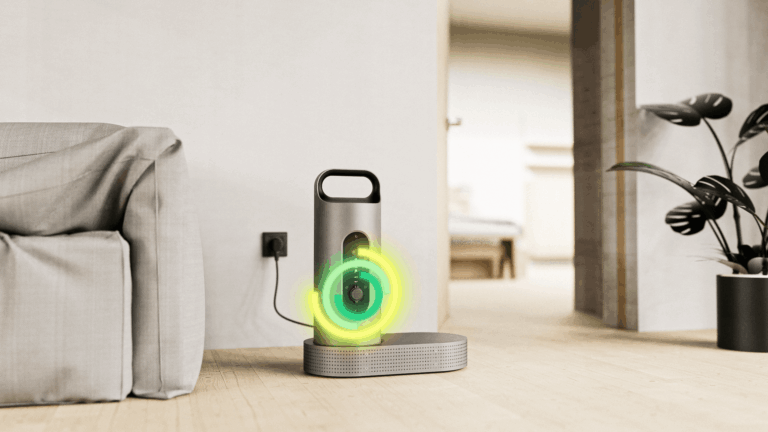
The Nymo is a deceptively simple idea. A lot of homes already have a thermal battery sitting in the utility cupboard, the hot-water boiler. The Nymo watches the smart meter, and whenever solar surplus would otherwise be exported to the grid, it switches the boiler on.The result: large-capacity, low-cost energy storage without buying a lithium battery.
Solyx needed a serious backend to manage thousands of Nymo devices in the field: ingest telemetry, run rules, track device health, and integrate with the smart-home platforms households actually use. On top of that, they needed a custom consumer app for installers and homeowners: an onboarding flow that doesn’t need a manual, clear use-mode controls, and historical data that’s easy to look at.
The Manager
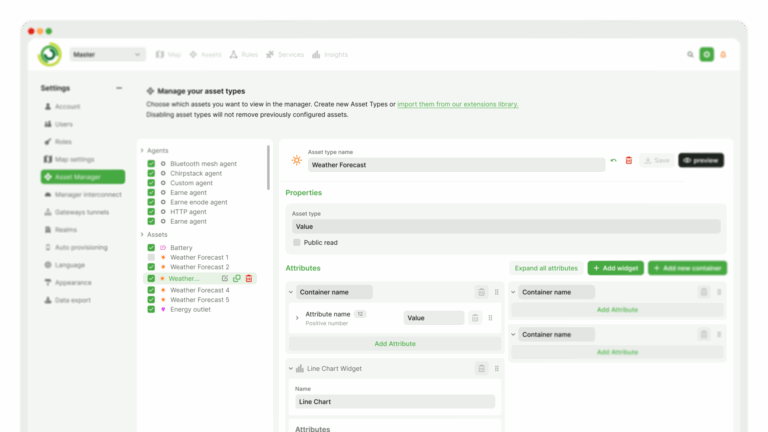
The Nymo platform manages the automatic and secure connectivity of every Nymo in the field. Devices register after being onboarded in the app using OpenRemote’s auto provisioning with certificates, create their corresponding assets, and synchronise smart-meter and boiler telemetry over MQTTS. The platform tracks device health across the entire fleet, so Solyx can spot connectivity issues or failing installations before a customer notices a cold shower. Access is managed on a strictly need-to-know basis, whether for homeowners, installers, or Solyx service staff.
The Solyx App
Solyx offers a dedicated consumer app, custom built by OpenRemote. The app is powered directly by the attributes and data captured on the OpenRemote Manager: every reading, use mode and device state shown to the homeowner comes straight from the platform, with no separate backend to maintain. The onboarding flow guides installers and homeowners through setup without reaching for a manual. Once running, the app gives homeowners clear use-mode controls. showing exactly how much of their own sunshine ended up in the water accu instead of on the grid.
Onboarding
Most Nymos are installed by the homeowners themselves, so the first minutes out of the box had to be self-explanatory. The app walks users through installation step by step: connect the Nymo, link it to the smart meter and boiler, and claim the device in the app. Behind the scenes, auto provisioning does the heavy lifting, as the Nymo registers itself with the platform and its asset, attributes and dashboards are created automatically. No account juggling, no manual configuration, no reading a manual first. Owners regularly report their boiler heating on solar power within a minute of installation, and installers doing multiple installations a day get the same frictionless flow.
Third Party Integrations
The Nymo reads the household’s smart meter directly via the P1 port, giving it a real-time view of import and export. Because households can already run their own smart-home ecosystems, the platform also integrates with popular smart-home platforms such as Homey and Home Assistant, letting the WaterAccu participate in wider home automation. New integrations can be added through OpenRemote’s protocol agents and web-hook integration, without touching the devices in the field.
Firmware Updates
A device that lives in thousands of utility cupboards needs to evolve without a service visit. For Solyx, we integrated HawkBit into the OpenRemote Manager, giving them over-the-air firmware updates for their entire fleet. From the Manager, Solyx can roll out a new firmware version to all devices at once, or to a subset first, testing a release on a small group before pushing it fleet-wide. Combined with the device health tracking already in the platform, every Nymo in the field stays up to date and improves over time.
IoT Device Management for Manufacturers
Managing IoT devices can become complex for manufacturers distributing large numbers of products to customers, whether for your installer, distributor or service manager.
The OpenRemote IoT Device Management platform connects and controls different all your devices, using auto provisioning combined with MQTT broker, or its Edge Gateway. More importantly, alerts are set to monitor optimal performance as well as unexpected behaviour. Notifications are send to installers or end users to take action.
A dashboard for you as manufacturer, and mobile apps for installers and end users. All can be tailored to your specific context and identity, and hosted in your own secure environment.